
The Role of Luck in Gambling
Luck undeniably plays a significant role in gambling, especially in games that rely heavily on chance. Many players enter casinos believing that luck can swing the results in their favor, leading to wins that feel almost serendipitous. This belief is often supported by stories of individuals who have won huge jackpots seemingly out of nowhere, especially when playing the best online pokies that offer exciting opportunities for unexpected fortunes. Such anecdotes create a perception that luck is a crucial factor in achieving success at the tables or machines. However, this raises an important question: How much of these perceived lucky outcomes can genuinely be attributed to luck alone?
In games like slots or roulette, luck is fundamentally woven into the fabric of the gameplay. Players have no control over the spinning reels or the falling ball; the outcomes are purely random and unpredictable. The randomness is not only a feature but a requirement, as it ensures fairness and is governed by complex algorithms and probability theories. This randomness nurtures the idea that luck is the only factor determining outcomes in these games. However, this perspective often overlooks the significant role of skill and strategy in games like poker, where decision-making can profoundly impact results.
While luck is an essential aspect of gambling, relying solely on it can lead to detrimental strategies, often resulting in significant losses. It’s crucial for players to strike a balance between chance and informed gameplay. In games where player decisions can influence outcomes, understanding the rules, odds, and nuances becomes vital. While luck may determine individual results, knowledge and strategic play can create a more favorable overall experience. This approach encourages players to engage with the game more thoughtfully rather than leaving everything to fortune.
The Psychology of Perception in Gambling
The psychology of gambling is intricate and often influenced by cognitive biases that can distort players’ perceptions of luck. One common misconception is the ‘gambler’s fallacy,’ where individuals believe that a series of losses will increase their chances of winning in subsequent bets. For instance, if a player has lost several times in a row, they may feel they are ‘due’ for a win, which is a fundamental misunderstanding of probability, as each event in a game is independent and unaffected by previous outcomes.
Moreover, concepts like ‘hot’ and ‘cold’ streaks significantly influence how players perceive luck. When a player experiences several wins, they may attribute their success entirely to good fortune rather than considering elements of skill or timing. Conversely, during a series of losses, players might feel they are on a cold streak, which can lead to chasing losses and making impulsive decisions. This psychological aspect highlights the duality of luck and mental perception in the gambling experience, underscoring the importance of awareness and reflection in gameplay.
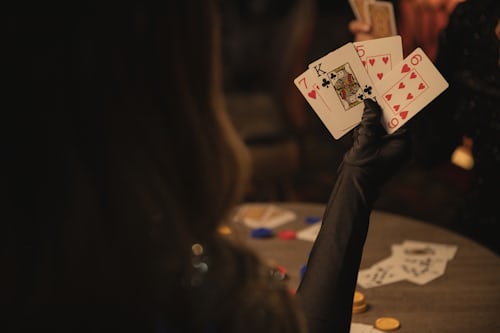
Ultimately, while luck can have an impact on specific games, players must recognize how psychological factors can cloud their judgment. Understanding the interplay between luck and perception can help players develop healthier gambling habits, promoting rational decision-making processes in the casino environment. By grasping these dynamics, enthusiasts can better navigate the highs and lows inherent in gambling, fostering a more balanced approach to their overall experience.
The Influence of Skill versus Luck
The ongoing debate surrounding whether skill can outweigh luck in casino games is particularly relevant to players looking to improve their chances of success. While games like slots and roulette are based entirely on chance, others, such as poker and blackjack, rely heavily on skill and strategic thinking. Players who dedicate time to mastering the intricacies of these games can significantly enhance their winning potential, showcasing how skill can be a decisive factor even in luck-driven environments.
Consider the case of skilled poker players who utilize their understanding of probability, psychology, and game theory to inform their decisions. They assess their opponents, determine optimal betting strategies, and navigate the unpredictable dynamics of the game effectively. While luck will always influence the cards dealt, a player’s expertise can lead to consistent wins over time, illustrating that skill can often prevail over luck in the long run.
This skill-versus-luck dynamic is crucial for players to grasp. By identifying which games demand more skill and strategic thinking, players can focus on developing their abilities and making informed choices that enhance their overall gambling experience. While luck may play a role in short-term outcomes, cultivating skills provides a pathway to sustained success in games where player decisions significantly influence the results, allowing for a more rewarding gambling experience.
The Role of Casino Design and Atmosphere
The physical design and ambiance of a casino significantly affect players’ perceptions of luck and their overall gambling experience. Casinos are expertly crafted environments designed to capture attention and evoke excitement. Bright lights, captivating sounds, and the thrill of potential wins combine to create an atmosphere that amplifies the belief in luck. This meticulously curated environment can heighten players’ emotions, leading them to feel that they are surrounded by fortune and possibility, thus reinforcing their belief in luck’s influence on their outcomes.

Furthermore, the presentation of games can impact perceived luck. For example, witnessing another player hitting a substantial jackpot on a slot machine can instill a sense of hope and belief that they, too, might experience a similar win. This effect is often magnified in crowded areas where the collective energy seems to revolve around luck and fortune. Consequently, casinos leverage these psychological triggers to enhance player engagement and create a more immersive gambling experience.
However, it is essential to recognize that this engaging atmosphere does not alter the actual probabilities of winning. The odds of winning remain constant, regardless of the excitement and energy surrounding the games. Players must differentiate between the environmental influences on their perceptions and the true nature of luck in gambling outcomes. Understanding this distinction is vital for maintaining a healthy relationship with gambling and avoiding the pitfalls associated with an overreliance on luck.
Your Path to Responsible Gaming
For those venturing into the realm of casinos and contemplating the influence of luck, comprehending the significance of responsible gaming is paramount. Players should approach gambling with a clear mindset, acknowledging that luck can fluctuate dramatically. Establishing budgets, setting limits, and discerning between luck and skill are all critical components of a responsible gaming strategy. Adopting this approach not only fosters a healthier relationship with gambling but also enhances the overall experience by ensuring that enjoyment is prioritized over financial risk.
Moreover, players should strive to educate themselves regarding the games they wish to play. Whether that involves understanding specific game odds or learning effective strategies, investing time in research cultivates a more informed player base. This knowledge can help temper the whims of luck with solid tactics, ultimately improving the likelihood of a positive experience at the casino. It’s vital to remember that gambling should be viewed primarily as a form of entertainment, not as a potential source of income.
Engaging with casinos responsibly significantly contributes to a more enjoyable atmosphere and minimizes potential regrets concerning game outcomes. By recognizing the interplay between luck and skill, players can navigate their gaming experiences with a balanced perspective. Empowering oneself through responsible gaming practices fosters a more sustainable and enjoyable approach to gambling, ensuring that luck enhances the experience rather than defines it entirely.